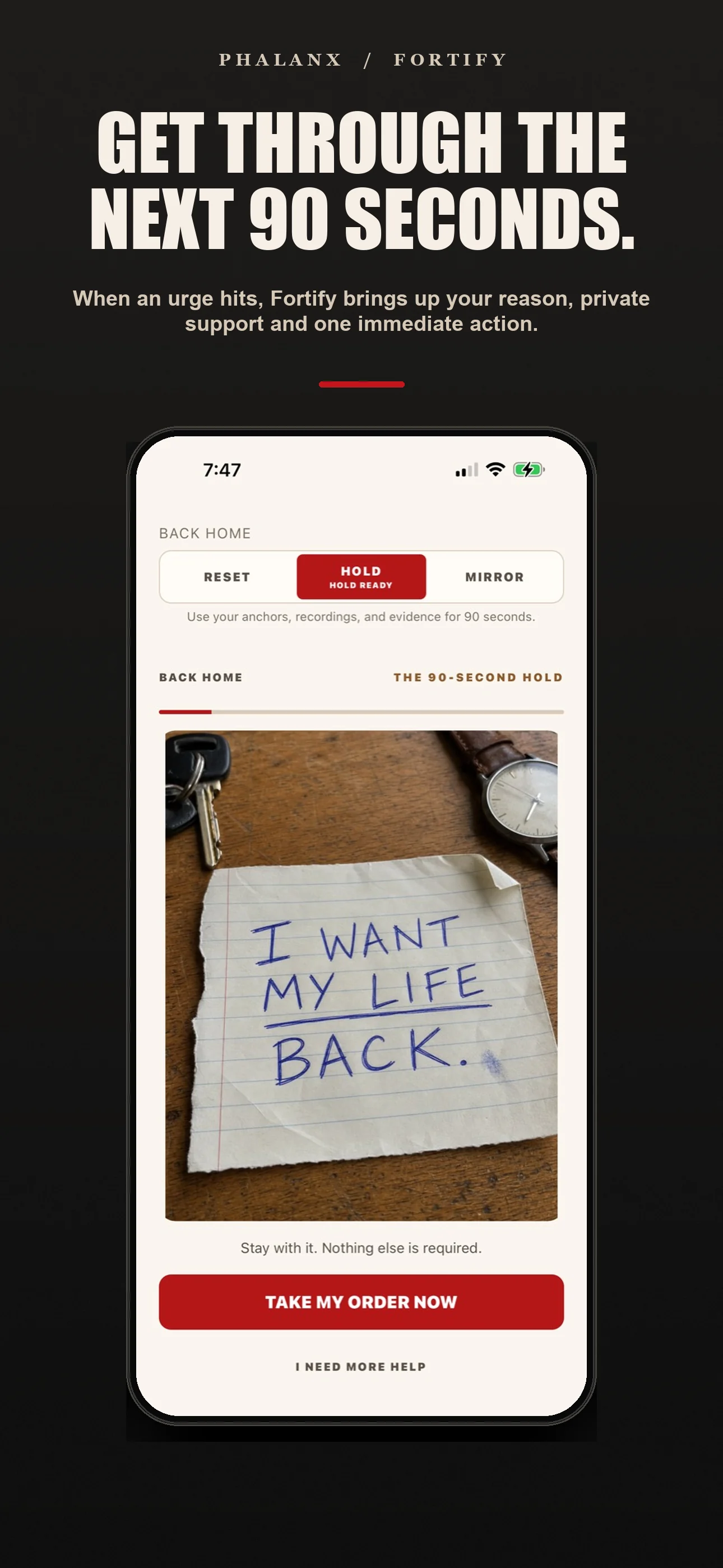
If porn has become difficult to control, the first move is not to shame yourself into silence. The first move is to understand the loop. Research on compulsive sexual behavior, cue reactivity, and problematic pornography use keeps pointing toward a practical truth: the danger window is often triggered before the final decision feels like a decision.
That matters because a bad system makes relapse feel personal. A better system makes the next action obvious.
1. Know What Problem You Are Actually Fighting
Not everyone who watches porn has a disorder. Not everyone who feels guilt has a clinical problem. The serious issue is loss of control: repeated attempts to stop or reduce use, repeated return to the behavior, and real damage to life, work, relationships, attention, faith, or self-respect.
The ICD-11 includes compulsive sexual behaviour disorder under impulse-control disorders. The core idea is not "you saw porn and therefore you are broken." The core idea is a persistent failure to control intense, repetitive sexual urges or behaviors that causes marked distress or impairment over time.
That distinction is important. PHALANX does not diagnose you. It gives you a private recovery system for the moments where control is at risk.
2. Stop Treating The Urge Like A Debate
The urge is not a seminar. It is a signal flare. When the habit starts, the mind usually offers negotiation:
- "Just one quick look."
- "You already failed this week."
- "You deserve relief."
- "You can restart tomorrow."
Neuroscience work on sexual cue reactivity has found stronger responses to sexual cues in people reporting compulsive sexual behaviors. The practical translation is simple: cues matter. A cue can pull attention, increase wanting, and narrow the field of choice before your long-term standards have a clean voice.
The answer is not to argue better. The answer is to move first.
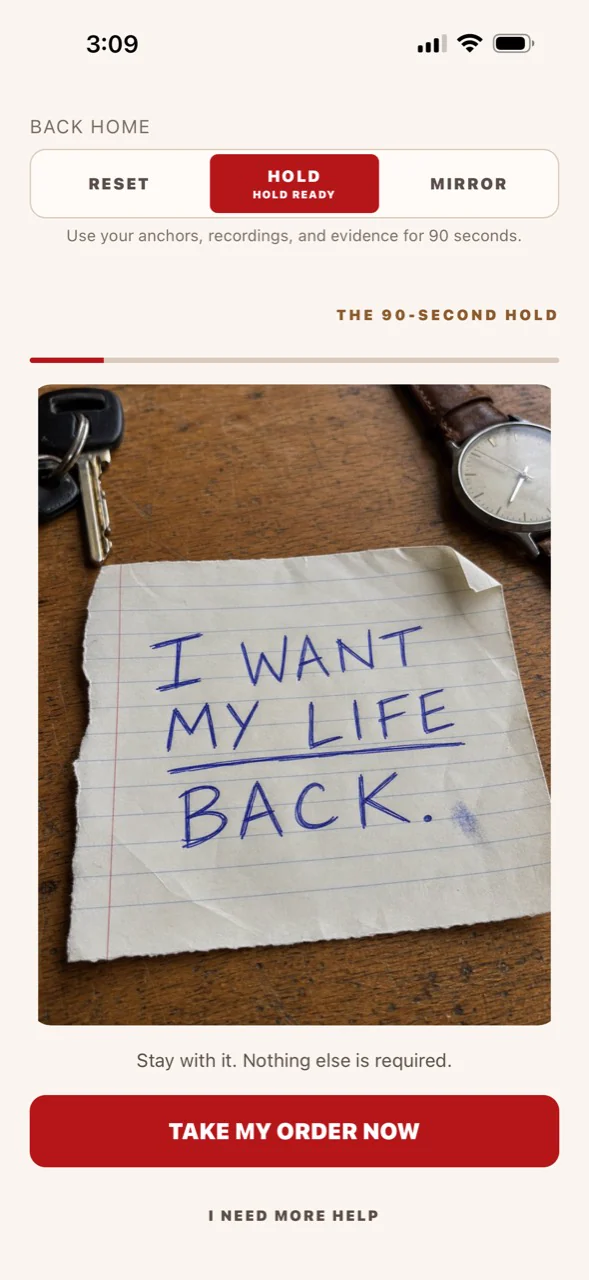
PHALANX is positioned around the private danger window: know the next move before pressure takes over.
3. Build A 30-Day Field Plan
The first month should not be vague. Do not write "be disciplined" and hope the legion appears. Write the actual orders.
Days 1-3: Map The Trigger Route
For three days, write down the time, place, device, emotional state, and preceding action whenever an urge appears. Do not turn it into a confession ceremony. Treat it as intelligence.
Example: 11:42 p.m., bedroom, phone in bed, tired, scrolling short videos, alone, no clear next action.
Patterns usually appear quickly. Late night. Bathroom. Bed. Work stress. Alcohol. Bored scrolling. Loneliness. The enemy is not mystical. It has terrain.
Days 4-10: Create If-Then Orders
Implementation-intention research supports the value of specific if-then plans: when a known situation occurs, a prepared action follows. You are not relying on mood. You are removing delay.
- If I take my phone to bed, then I put it on the dresser and charge it there.
- If I feel the urge after 10 p.m., then I open PHALANX and start Fortify.
- If I start bargaining, then I stand up and leave the room for five minutes.
- If I slip, then I record the trigger and return to the next action without a binge.
Days 11-20: Add Friction Before The Trigger
Most people overestimate willpower and underestimate placement. The phone beside the bed is not neutral. An unlocked browser at midnight is not neutral. A private room after a stressful day is not neutral.
Move the trigger farther away. Add a blocker if it genuinely helps, but do not make the blocker your entire strategy. Change the terrain: phone outside bedroom, no private scrolling in bed, browser closed after work, lights on when the urge hits, door open, shoes on, body moving.
Days 21-30: Track Proof, Not Vibes
Motivation fluctuates. Proof accumulates. Track what happened, what almost happened, and what action interrupted the loop. You are looking for the private win: the night where the old sequence began and you changed course.
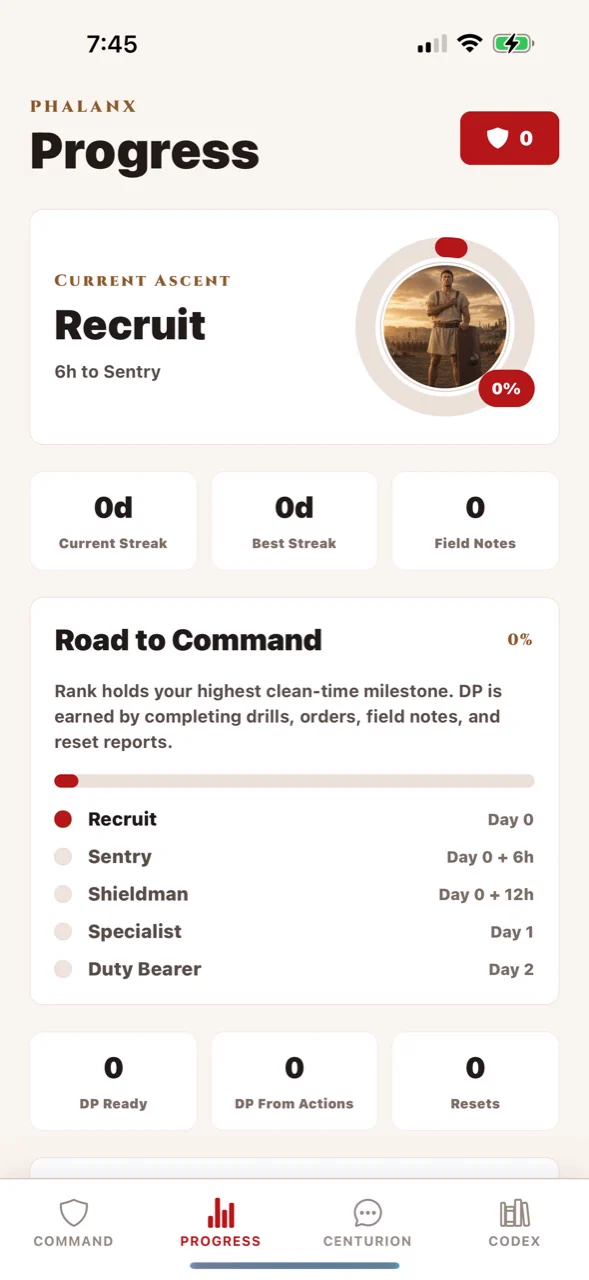
When the urge hits, the point is to act, then record the pattern instead of guessing.
4. Use ACT And CBT Principles Without Turning Recovery Into Therapy-Speak
Acceptance and Commitment Therapy research on problematic internet pornography use suggests that learning to make room for discomfort, reduce avoidance, and act according to values can help some users reduce problematic viewing. Cognitive-behavioral approaches also focus on identifying triggers, changing behavior sequences, and building alternative responses.
The direct PHALANX translation is this:
- You do not need the urge to disappear before you act.
- You need a prepared action while the urge is present.
- You need a record that shows where the pressure point keeps appearing.
- You need a way to return after a slip without letting one fall become a lost week.
5. How PHALANX Helps
PHALANX is not a diagnosis tool or medical treatment. It is a private recovery system for the moment nobody else sees.
Fortify gives you a fast drill when you are about to slip. The Centurion gives you a next action when you are negotiating with the urge. The Service Record helps you build proof instead of guessing. The point is not public performance. The point is command in the danger window.
Private Recovery When The Urge Hits
When porn urges start, open Fortify and follow the action you saved. Run the drill. Record the win. Stay in control.
Download PHALANXImportant: This article is educational and practical, not medical advice. If your behavior feels out of control, causes serious distress, or connects to self-harm, consider professional support and contact emergency or crisis services when immediate safety is at risk.
References
- World Health Organization: ICD-11 entry for Compulsive Sexual Behaviour Disorder.
- Kraus et al., Compulsive sexual behaviour disorder in the ICD-11, World Psychiatry.
- Voon et al., Neural correlates of sexual cue reactivity in individuals with and without compulsive sexual behaviours, PLOS ONE.
- Brand et al., I-PACE model update for addictive behaviors, Neuroscience and Biobehavioral Reviews.
- Crosby and Twohig, Acceptance and Commitment Therapy for Problematic Internet Pornography Use: A Randomized Trial.
- Gollwitzer and Sheeran, implementation intentions and goal achievement meta-analysis summary.